Zarand
Short description: The Zarandului area is located in the south of the Apuseni Mountains, in the counties of Arad and Hunedoara. The diversity of the relief is given by the steep valleys and gentle slopes of the Zarandului Mountains, as well as by the wide floodplain of the Mureș River.
County: Arad
More about
In addition, the combination of natural and cultural landscapes has led to the preservation of rich biodiversity, creating a fairytale landscape.
The area offers a variety of tourist opportunities, from hiking, cycling, and horseback riding to cultural tourism. Hiking trails are accessible from municipal or forest roads and most converge towards the main peak of Zarand, allowing for the organization of day trips or weekend getaways.
For tourists interested in local culture, wooden churches, houses such as the Royal Castle of Săvârșin, traditional dwellings, and water mills are points of interest, but the entire rural environment retains the charm of living museums, where visitors can observe or participate in traditional household activities or local customs.
Local Gastronomic Spot – Oaza Tolfy
Hidden among hills and forests, in the picturesque village of Roșia Nouă, Oaza Tolfy is a fairytale place where tradition, nature, and gastronomy blend harmoniously. Here, in an authentic farmhouse brought back to life by the Tolfy family, visitors are invited to rediscover the taste of dishes made from local ingredients and the charm of country life.
The house specialty is wood-fired pizza, baked in a wood-fired oven, but traditional Romanian dishes, cooked with local ingredients, are just as tasty and carefully prepared.
The farm also hosts bread-making workshops, educational activities in nature, workshops where you can learn about agricultural practices and local customs, as well as horse-drawn carriage rides. The presence of three horses on the farm adds extra charm, especially for children, who have the opportunity to interact with the animals in a safe and friendly way.
Oaza Tolfy is an educational and recreational alternative for families, groups, and nature lovers. Here, every visit becomes a journey back to the roots, in a place where tradition comes to life with every workshop, every smile, and every slice of pizza taken out of the oven.
Camping Corbești – peace and nature
Located in the village of Corbești, Petriș commune, Arad county, this campsite offers an authentic experience in a unique natural landscape on the Mureș valley. The location is ideal for those seeking a simple, clean, and peaceful retreat.
The campsite is located on the edge of the village, surrounded by rolling hills, centuries-old trees, and meadows fragrant with fresh hay. The tent sites are spacious, well-maintained, and benefit from natural shade. The facilities are basic but sufficient: running water, electricity, showers, and Wi-Fi. The atmosphere is friendly, with welcoming, kind hosts who are attentive to their guests’ needs.
Corbești Campsite is the perfect place to relax, reconnect with nature, and explore unique natural and cultural landscapes. It is an ideal destination for those who prefer simplicity and authenticity in the places they visit.
Local Gastronomic Spot – Miliza Agropension
Located on the border between Arad and Hunedoara counties, in the village of Petriș, in the immediate vicinity of Salbek Castle, this family-run agritourism guesthouse offers an authentic country holiday experience. Built from wood and straw bales, the guesthouse stands out for its respect for nature and the sustainable solutions used in its construction. The guesthouse also has a private wellness area, which includes a room with salt from Praid, an infrared sauna, and a tub built from natural stone. Guests can also enjoy a spacious courtyard, a garden full of fresh vegetables, hammocks in the shade of apple trees, and a rustic terrace. On summer evenings, the atmosphere is complemented by the croaking of frogs from the pond in the courtyard.
This place is also a true haven for food lovers. Here you can find skillfully prepared dishes from Romanian, Hungarian, and Ukrainian cuisine. The hosts prepare everything from oven-baked dishes such as bread or stuffed cabbage rolls to traditional Ukrainian recipes such as beetroot borscht or “Pilmeny”. What’s more, most of the products come from their own farm, ensuring tasty dishes to suit every visitor’s taste. Thus, a stay at this agritourism farm becomes a unique combination of nature, tradition, and warm hospitality.
Our UiR database: search results for „Arad”
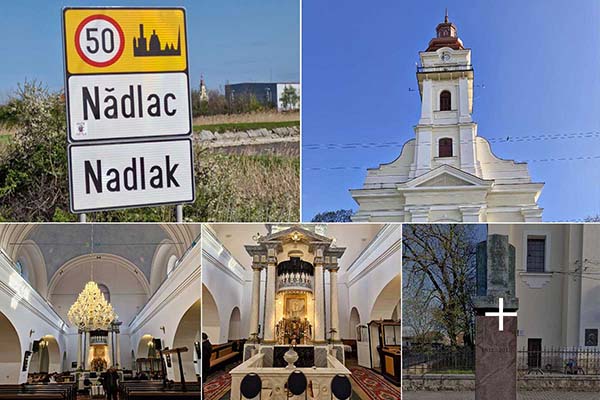
Nadlac | Arad County
(15 April 2026)

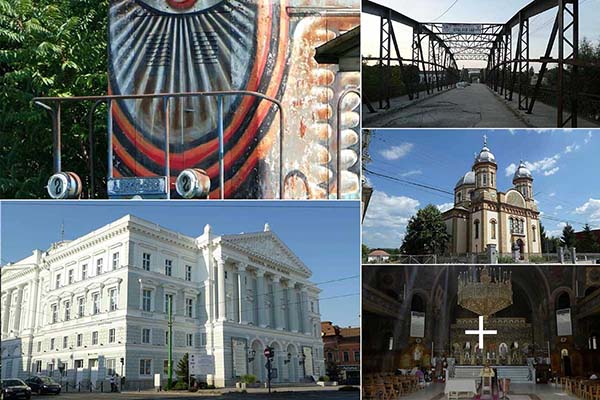
Cycling through Romania | Banat Region
(08 April 2026)
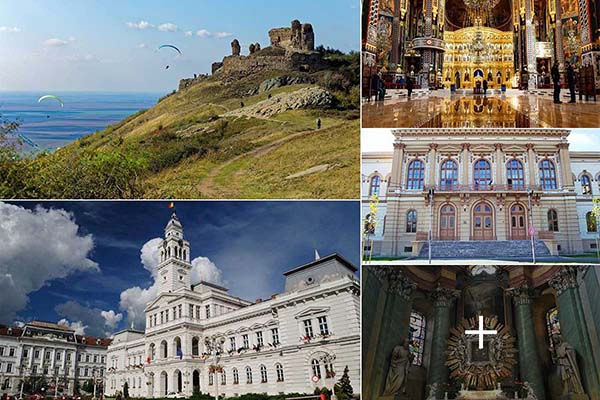
Arad | City and county in the west of Romania
(29 March 2026)
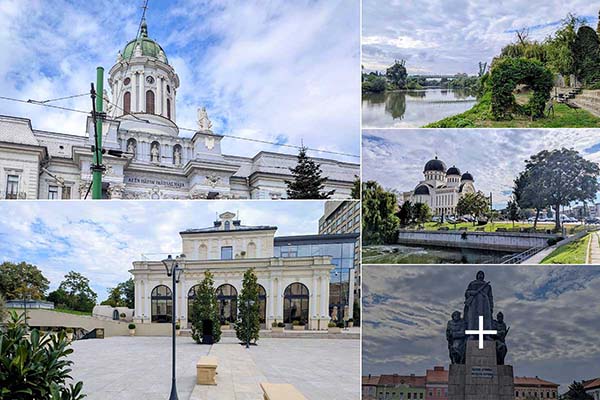
Holiday 2026 | Arad in the west of Romania (Part 1 of 2)
(19 March 2026)
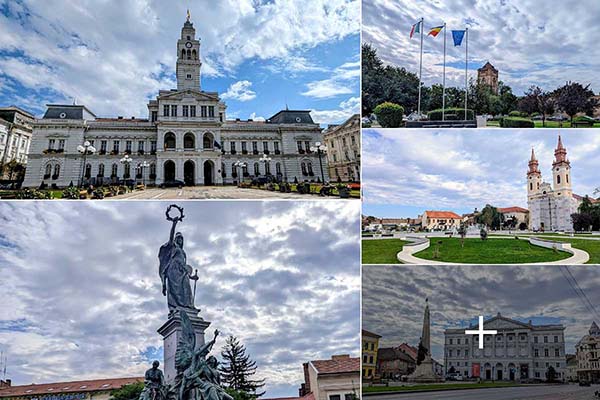
Holiday 2026 | Arad in the west of Romania (Part 2 of 2)
(19 March 2026)
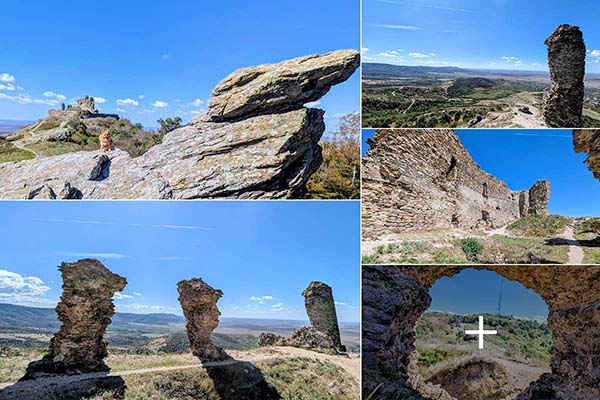
Sria Fortress and Municipality | Arad County
(07 February 2026)
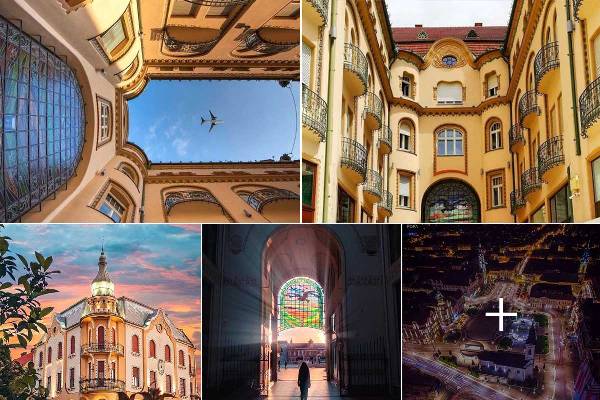
City of Oradea | Felix Bath Spa | Bihor County
(27 January 2026)
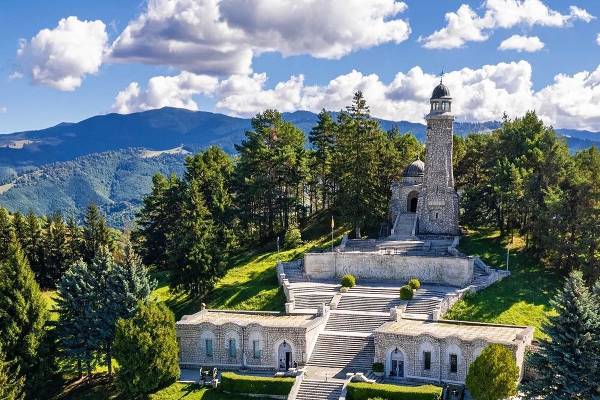
Mausoleum from Mateias | Arges County
(18 January 2026)

Arad | In the West of Romania
(16 January 2026)
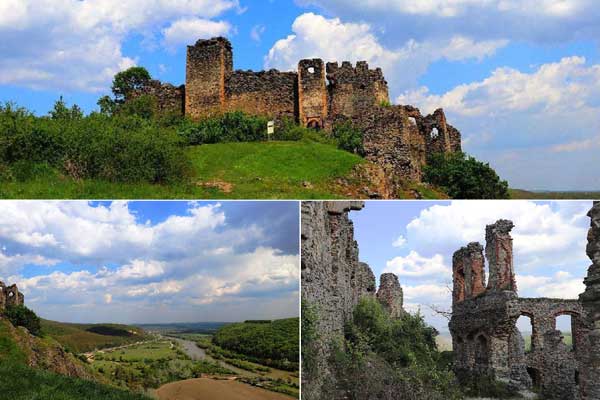
The ruins of Soimos Castle | Arad County
(13 December 2025)
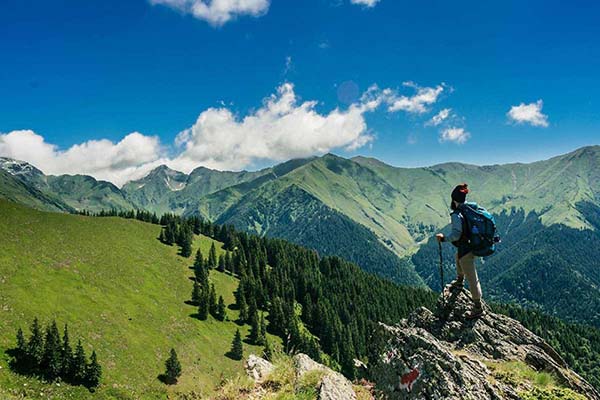
Arefu | Arges County ... hiking wonderland
(08 December 2025)
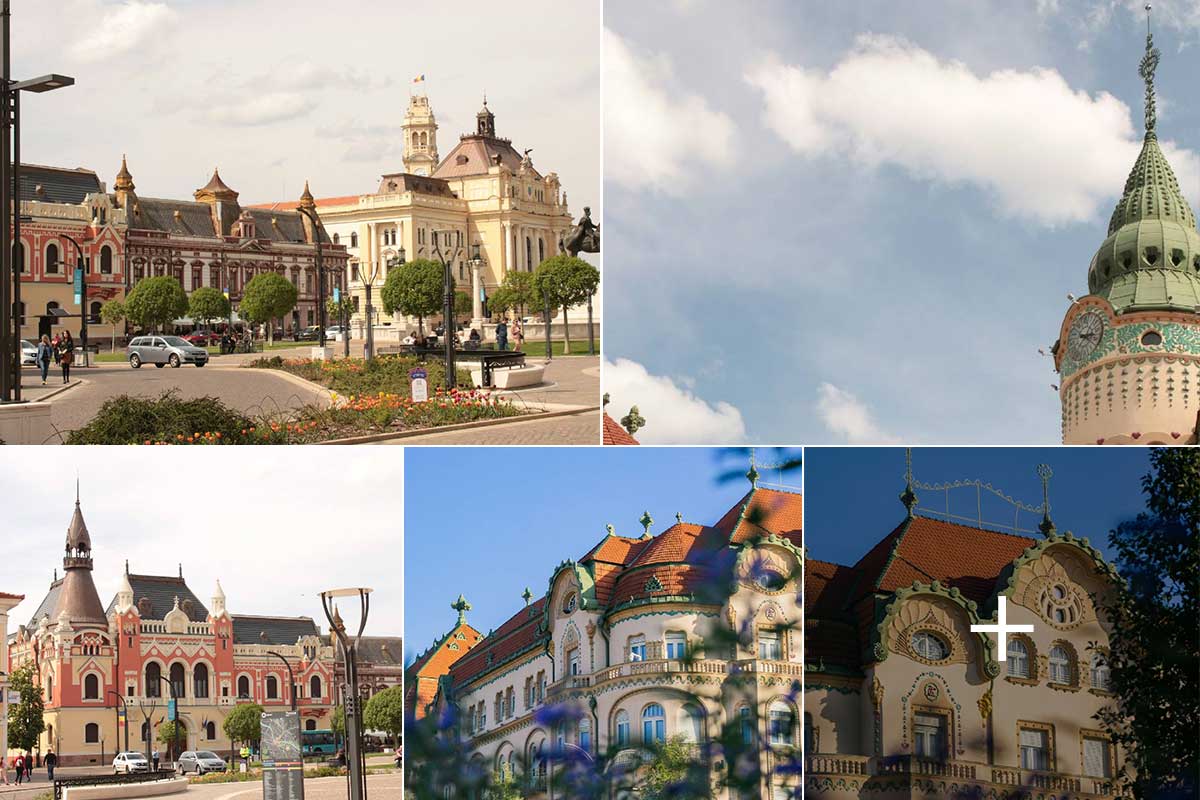
Oradea in spring / summer | Bihor County
(23 November 2025)
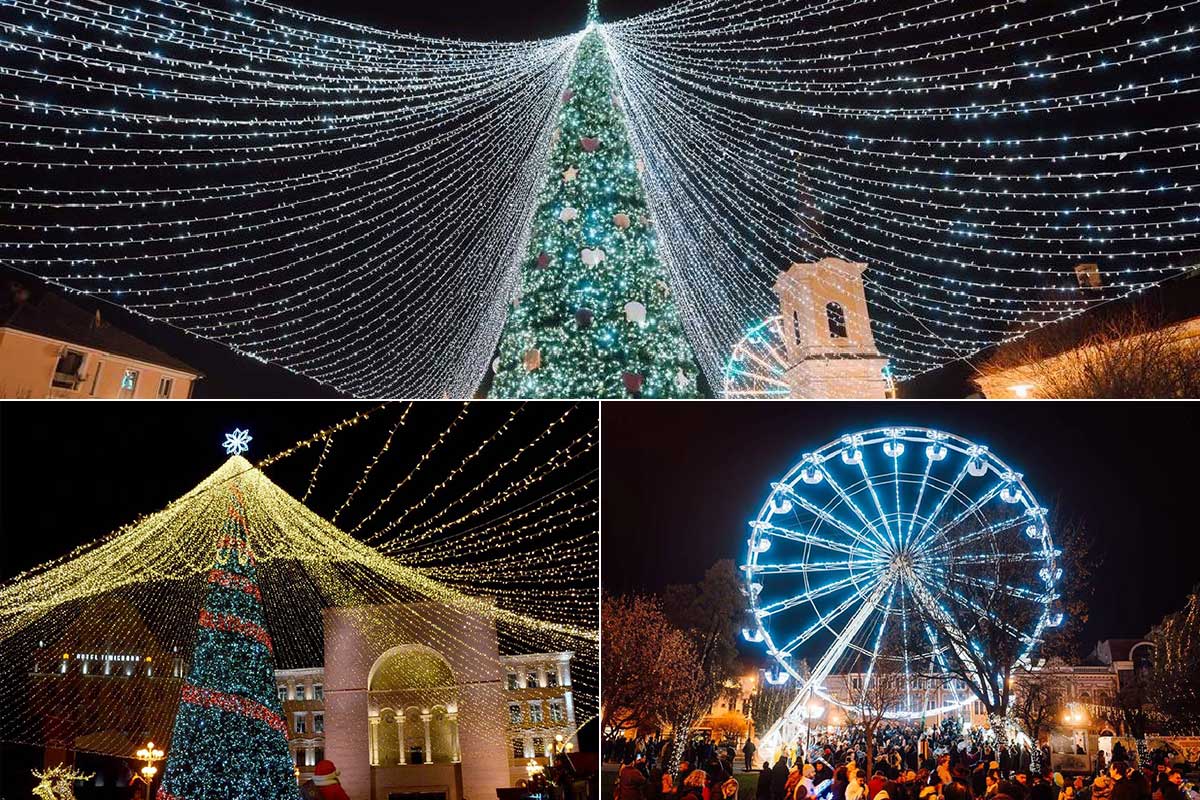
Christmas markets in Romania 🎄🎅😍😍🇷🇴
(22 November 2025)
Bucharest | Capital of Romania | Macca-Villacrosse Passage
(21 November 2025)
Arad in western Romania (Part 1 of 2)
(30 September 2025)